HVPE METHOD

Halide Vapor Phase Epitaxy

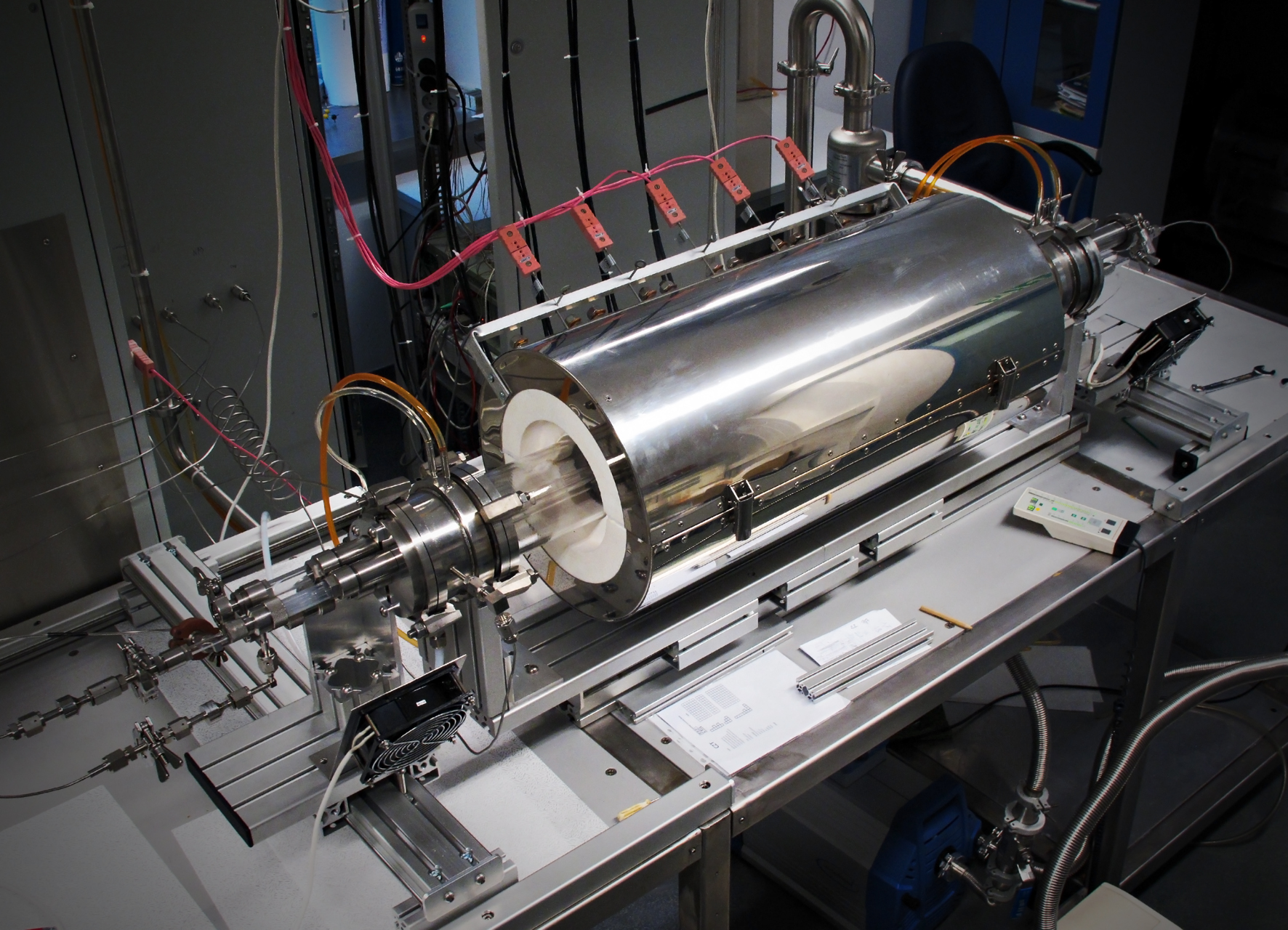
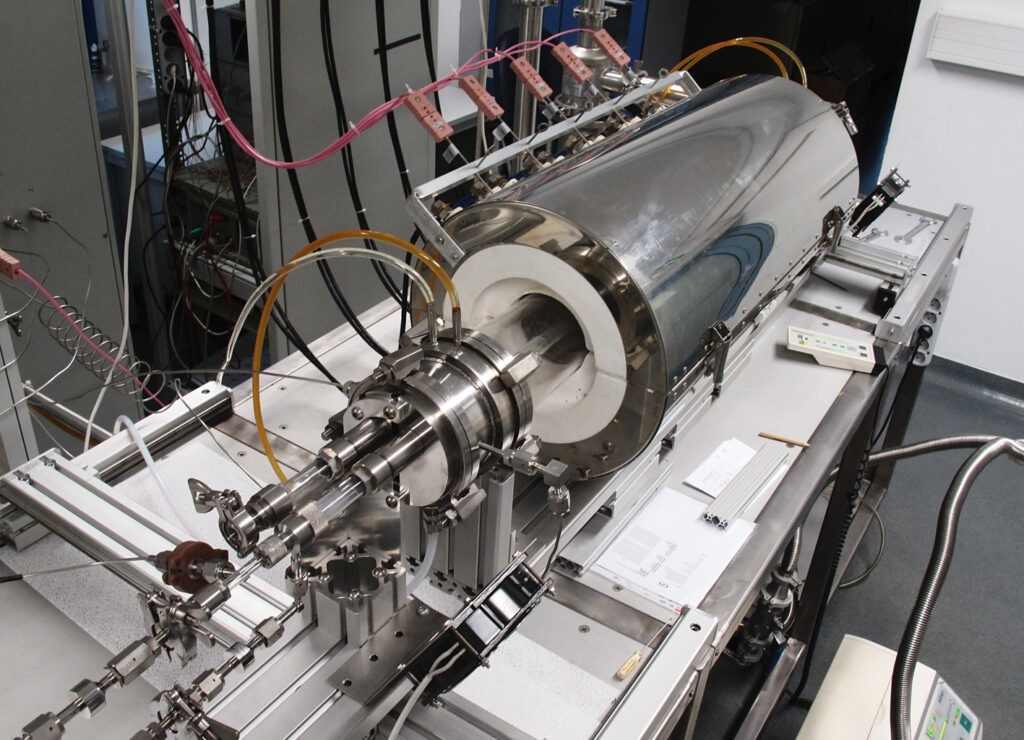
Halide Vapor Phase Epitaxy (HVPE) is currently the most common approach for manufacturing the vast majority of commercially available GaN substrates. This technique allows a relatively high growth rate (100-200 μm/h), but suffers from a phenomenon known as parasitic nucleation.


The HVPE Process

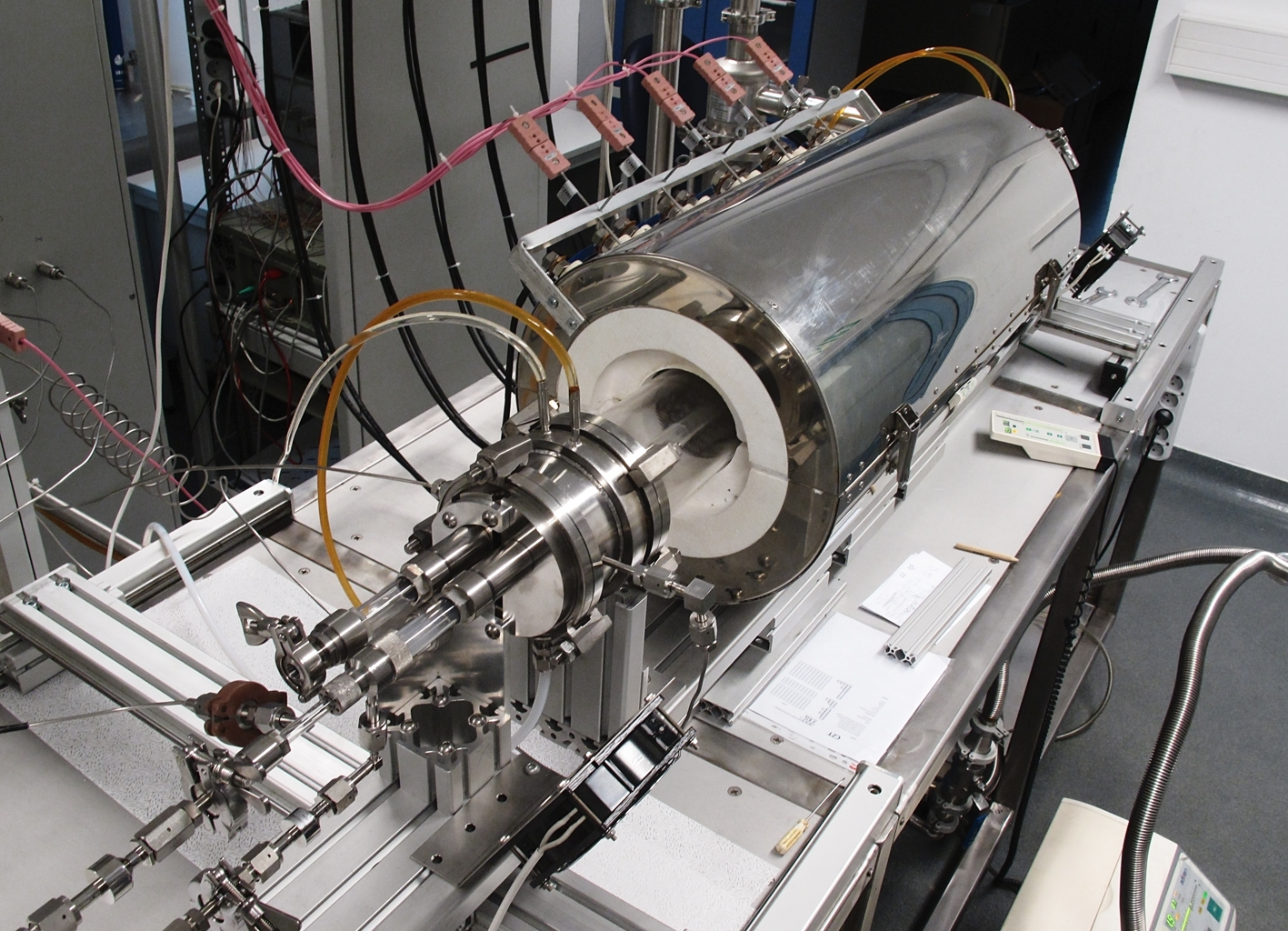
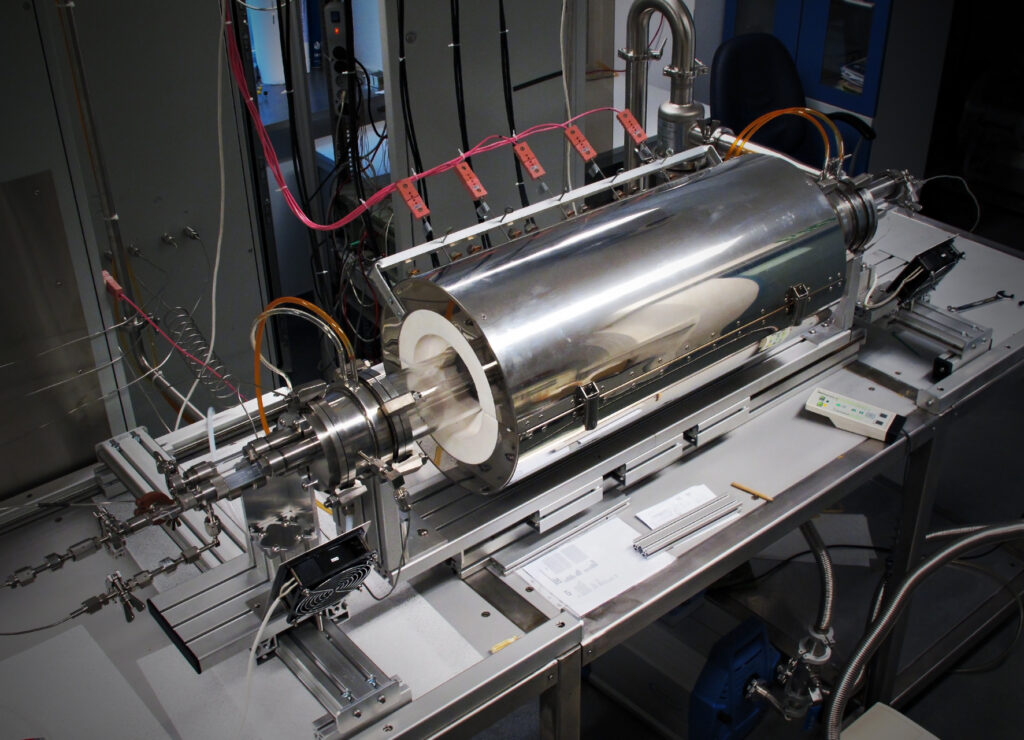
The HVPE method involves crystallization at ambient pressure with GaN deposited on a foreign substrate through the reaction of ammonia (NH3) with gallium chloride at temperatures of about 1300 K. Etching and self lift-off techniques are used to remove the GaN from the foreign substrate and yield a free-standing GaN substrate. Deposition on foreign substrates enables the growth of large-diameter GaN crystals, but these suffer from lattice bowing. This stems from significant differences between the lattice constants and thermal expansion coefficients of the foreign substrate and the nitride film. The bowing radii of crystallographic planes can be below 10 m. This relatively low number means that there is little benefit in using HVPE-grown GaN as a seed for subsequent crystallization runs.

Recently, it has been shown how to overcome this issue and grow crystallographically flat, free-standing HVPE-GaN by using structurally perfect ammonothermally grown GaN crystals as seeds. A few following presentations about HVPE growth of GaN allow to explain better this technology.

Download Presentations

Lorem Ipsum is simply dummy text of the printing and type setting industry. Lorem Ipsum has been the industry’s standard dummy text ever since the 1500s

PRESENTATION 1

Additional text

PRESENTATION 2

Additional text

PRESENTATION 3

Additional text

PRESENTATION 4

Additional text

PRESENTATION 5

Additional text

Scroll to Top